
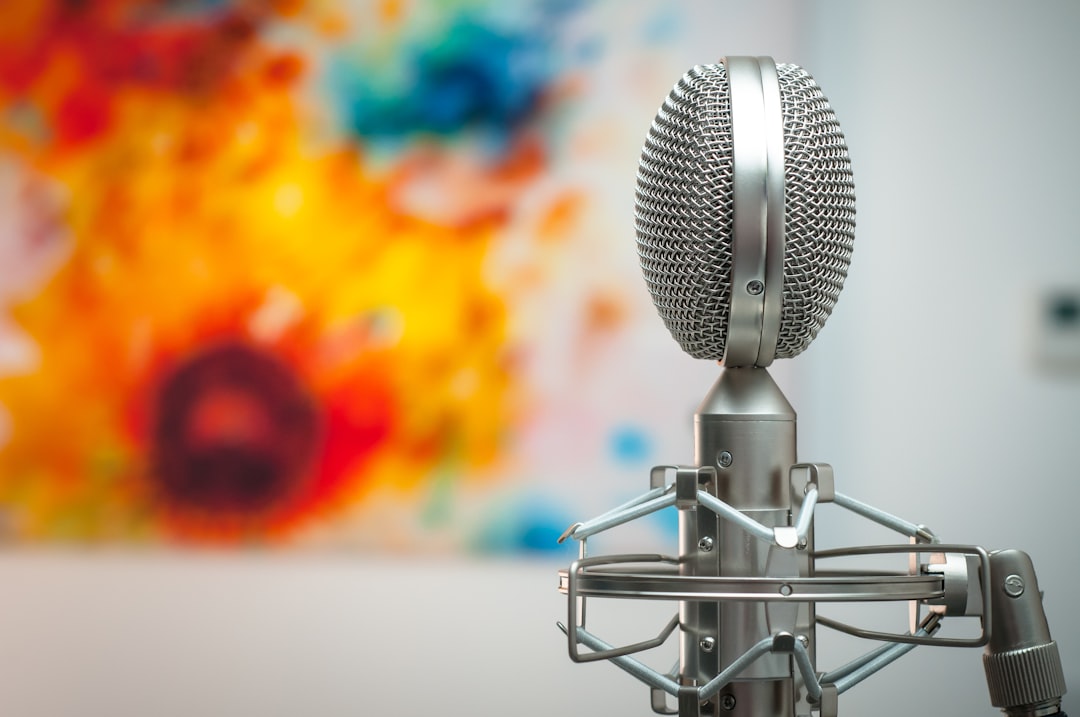
The best shock mount for most home studios is the Rycote InVision USM (Shop on Amazon), because its universal clamp fits the widest range of large-diaphragm condensers and its Lyre suspension kills far more floor rumble than the flimsy elastic-band cradles that ship with cheap mics. If you own a specific microphone, though, the smartest buy is usually the mount your manufacturer designed for it. Below we compare the picks that actually earn their place on a mic stand.
Violet Recording is reader-supported — we may earn a commission from links on this page, at no extra cost to you.
Quick picks: the best shock mount for every mic and budget
A shock mount is a suspension cradle that hangs your microphone in an elastic or Lyre-shaped web so vibrations travelling up the stand — footsteps, desk knocks, low-end HVAC rumble, traffic through the floor — never reach the capsule. If you record vocals, voiceover or a podcast at a desk, it is one of the cheapest upgrades that measurably cleans up your recordings. Here are our top choices at a glance.
| Shock mount | Best for | Mount type | Fit | Price |
|---|---|---|---|---|
| Rycote InVision USM | Best overall / universal | Lyre suspension | Most 44–55mm LDCs | Shop on Amazon |
| Rode SM6 | Best for Rode NT1 / NT1-A | Elastic spider + pop filter | Rode NT-series | Shop on Amazon |
| Shure A55M | Best for SM7B / broadcast mics | Elastic Isolation Shock Stopper | SM7B, SM58, KSM | Shop on Amazon |
| Auphonix Microphone Shock Mount | Best budget | Elastic spider | Generic ~48–54mm | Shop on Amazon |
| Neumann EA 87 | Best premium | Elastic suspension | Neumann U 87 / U 89 | Shop on Amazon |
| Audio-Technica AT8449 | Best for AT2020 / AT2035 | Elastic spider | Audio-Technica AT-series | Shop on Amazon |
How to choose a shock mount that actually fits
Buying a shock mount is mostly a fit problem. The single most common mistake is grabbing a universal spider because it looks the part, then discovering your microphone slides through the cradle or won’t clamp tight. Work through these criteria before you check out.
Barrel diameter. Universal mounts quote a diameter range — typically around 44mm to 55mm for large-diaphragm condensers. Measure the widest part of your mic’s body and make sure it sits comfortably inside that window. A mic near the bottom of the range can slip; one above it simply won’t seat.
Dedicated vs universal. If your mic has an official mount — like the Rode SM6 for the NT1, or the Neumann EA 87 for the U 87 — it will hold the mic more securely and often threads onto the body rather than clamping around it. A universal mount is the right call only when no dedicated option exists, or when you swap between several mics.
Suspension design. Traditional mounts use elastic bands (the “spider”). They isolate well when new but perish, stretch and eventually snap — budget on replacing them. Rycote’s Lyre system uses a moulded hard-plastic web instead of elastic, so it never sags or needs re-tensioning, which is why it dominates our explainer on what a shock mount does.
Thread size. Mic stands come in two thread standards — 5/8″ (US) and 3/8″ (European). Most quality mounts ship with a brass adapter for both; confirm yours does so it fits your stand or boom arm.
Weight and boom balance. A heavy mic on a light mount, or vice versa, makes a boom arm droop. Match the mount to the mic’s mass, and if you’re on a swing arm, factor the combined weight against the arm’s rated load.
The best universal and dedicated shock mounts, reviewed
Rycote InVision USM — best overall
The InVision USM is the mount we reach for first when a mic has no dedicated option. Instead of perishable elastic, it uses Rycote’s Lyre suspension — a hard-wearing moulded web that delivers consistent isolation for years and can’t go slack in the middle of a session. The clamp accommodates the majority of standard large-diaphragm condensers, and it rotates and tilts freely so you can angle the mic without loosening anything. For most home setups this is the sweet spot of isolation, durability and fit. Shop on Amazon — Check the current price on Amazon.
Rode SM6 — best for Rode NT-series mics
If you own an NT1, NT1-A or NT2-A, the SM6 is the obvious match. It’s a proper elastic spider tuned to the weight of Rode’s condensers, and it bundles a detachable pop filter on a gooseneck — a genuine convenience for vocal and podcast work since you’re not clamping a separate filter to the stand. The suspension bands are user-replaceable, so it stays serviceable over time. Shop on Amazon — Check the current price on Amazon.
Shure A55M — best for the SM7B and broadcast mics
Dynamic broadcast mics like the SM7B have their own integrated yoke, but for handheld and side-address Shure mics the A55M Isolation Shock Stopper is the go-to. Its swivel adapter and elastic isolation ring keep stand-borne thumps out of the signal, which matters on a desk where you’re likely to bump the surface. It’s a rugged, road-tested design that suits stage use as much as the studio. Shop on Amazon — Check the current price on Amazon.
Auphonix Microphone Shock Mount — best budget
When you’re kitting out a first home studio, the Auphonix spider does the essential job — suspending a generic condenser away from stand vibration — for very little money. Fit is the caveat: check your mic’s diameter against the cradle before buying, since sub-£20 mounts are less forgiving than premium ones. For a starter budget condenser it’s a sensible pairing. Shop on Amazon — Check the current price on Amazon.
Neumann EA 87 — best premium
If you’ve invested in a Neumann U 87 or U 89, don’t hang it in a generic clamp. The EA 87 is engineered to the exact body of those mics, holding them securely while its elastic suspension isolates the capsule to the standard those microphones deserve. It’s an expensive accessory, but on a mic in this class it’s the correct one. Shop on Amazon — Check the current price on Amazon.
Audio-Technica AT8449 — best for AT-series condensers
Audio-Technica’s popular AT2020, AT2035 and AT4040 each pair cleanly with the AT8449 elastic spider. It’s a dedicated design, so the mic seats without the slippage you get forcing an AT-series body into a one-size clamp, and the elastic web handles desk and floor rumble well for spoken-word and vocal recording. Shop on Amazon — Check the current price on Amazon.
Do you even need a shock mount?
Not always. If you record standing at a boom stand on a solid floor, well away from foot traffic and desks, the rigid clip that came with your mic may be enough. A shock mount earns its keep when the microphone shares a surface with your hands and keyboard — desk podcasting, seated voiceover, streaming — or when the room transmits low-frequency rumble from traffic, plumbing or air conditioning. In those situations it removes thumps that no amount of EQ can cleanly fix afterwards, because the rumble sits right where your vocal’s low end lives.
Pair the mount with two other cheap wins: a sensible mic position and basic acoustic treatment. A shock mount stops mechanical vibration; it does nothing for room reflections or plosives, so a pop filter and a treated corner still matter. Understanding your mic first also helps — our guide to condenser vs dynamic microphones explains why sensitive condensers benefit most from suspension. Browse more gear guidance in the Microphones category.
Frequently asked questions
Will a universal shock mount fit any microphone?
No. “Universal” means it fits a range of barrel diameters — usually about 44–55mm for large-diaphragm condensers — not literally every mic. Measure the widest part of your microphone’s body and confirm it falls inside the mount’s stated range before buying. Pencil condensers and unusually fat mics often need their own dedicated mounts.
Are elastic-band or Lyre shock mounts better?
Both isolate well when in good condition. Elastic (spider) mounts are cheaper and widely available but the bands perish, stretch and eventually snap, so you’ll replace them over time. Rycote’s Lyre design uses a moulded hard-plastic web that never sags and needs no re-tensioning, which makes it the more durable long-term choice.
Does a shock mount replace a pop filter?
No — they solve different problems. A shock mount blocks mechanical vibration travelling up the stand, while a pop filter stops the blasts of air from “p” and “b” sounds hitting the capsule. For clean vocals you generally want both. Some mounts, like the Rode SM6, conveniently bundle a pop filter on a gooseneck.



