
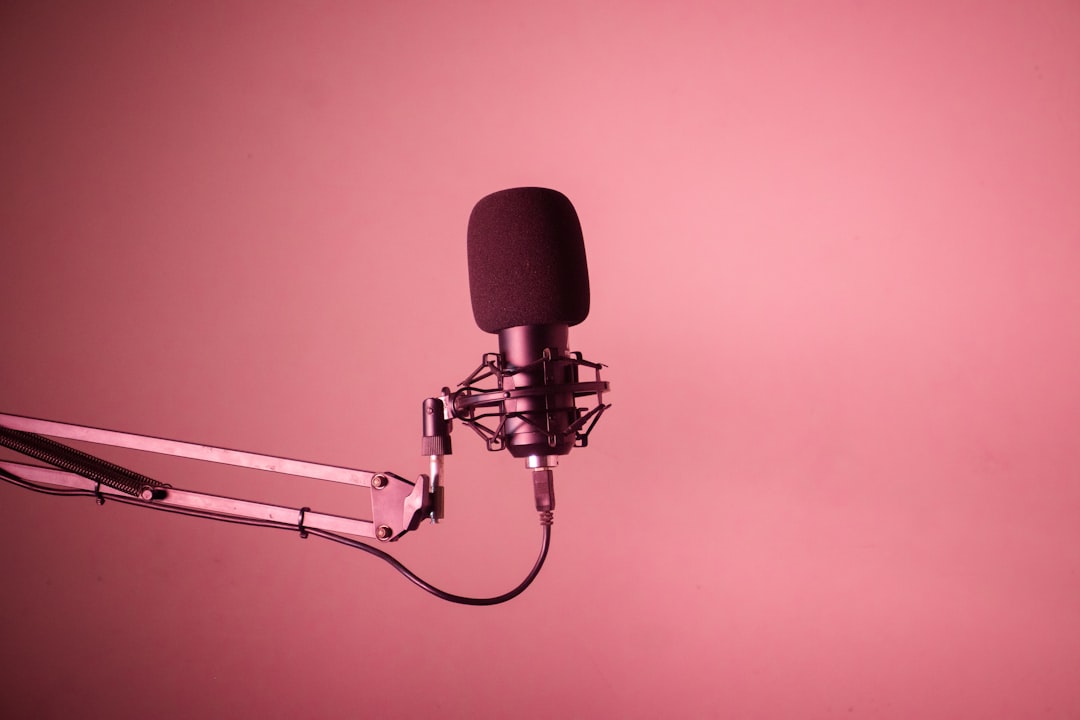
The best microphone stand is the one that holds your mic dead still, reaches where you need it, and disappears into the background so you can focus on recording. For most home studios that means a solid tripod boom stand; for a fixed desk setup, a clamp-on boom arm; and for stages or drum kits, a low-profile round base. Below we compare our top picks across those categories and explain exactly how to choose.
Violet Recording is reader-supported — we may earn a commission from links on this page, at no extra cost to you.
Quick-pick comparison: our top microphone stands at a glance
If you want the short version, here is how the field breaks down. Each pick is a real, widely available stand from a manufacturer that has earned its reputation with working engineers. Pricing changes constantly, so use the links to check what each costs right now.
| Stand | Type | Best for | Why we like it | Price |
|---|---|---|---|---|
| K&M 210/9 | Tripod boom | Overall home-studio use | German build, rock-steady, lasts decades | Shop on Amazon |
| On-Stage MS7701B | Tripod boom | Budget starter | Cheap, reliable, everywhere for a reason | Shop on Amazon |
| Gator Frameworks GFW-MIC-2000 | Tripod boom | Heavy mics | Weighted base, one-hand height clutch | Shop on Amazon |
| Rode PSA1+ | Desk boom arm | Podcasting & streaming | Smooth, quiet springs, internal cable routing | Shop on Amazon |
| Heil Sound PL-2T | Desk boom arm | Broadcast desks | Holds heavy dynamics without drooping | Shop on Amazon |
| Atlas Sound MS-12C | Round base | Stage & amp miking | Cast-iron stability, near-indestructible | Shop on Amazon |
| Hercules MS533B | Tripod boom | Value with smart features | Quick-N-EZ clutch, tilting legs | Shop on Amazon |
| Triad-Orbit T3/M2 | Modular tripod | Pro flexibility | Micro-adjust joints, expandable system | Shop on Amazon |
How to choose the best microphone stand for your setup
Before you spend a penny, match the stand to the job. A stand is a boring purchase until a cheap one tips over with your condenser attached — then it becomes the most important thing in the room. Here are the criteria that actually matter.
Base type. Tripod bases are the default for studios: they fold flat, travel well, and are hard to knock over. Round (cast-iron) bases take up less floor space and are great when you need to slide a stand close to a guitar amp or between drum stands, but they are heavy and can tip if you extend a boom too far. Desk-clamp boom arms free up your entire desk and are the go-to for podcasting, streaming and voiceover.
Boom or straight? A boom arm (the horizontal extension) lets you position the mic over a source without the stand’s legs getting in the way — essential for seated vocalists, acoustic guitar, drum overheads and desk work. A straight stand is simpler and cheaper, fine for a standing vocalist or a guitar cab, but far less versatile. Nine times out of ten, buy the boom.
Weight capacity and counterweight. This is where budget stands fail. A large-diaphragm condenser in a shock mount is heavier than it looks, and once it hangs off the end of an extended boom, leverage multiplies the load. Look for a genuine counterweight (many premium booms include one) or a boom you can retract to keep the mic near the vertical shaft. If the stand droops overnight, it is not rated for your mic.
Clutch and thread quality. The clutches are the parts you touch every session. Cheap plastic clutches slip and strip; metal clutches with fine threads hold position for years. Also check the thread size — most stands use the standard 5/8″-27 thread, and many mic clips outside the US need a 3/8″ adapter, so keep one in your drawer.
Stability and noise. A heavier base resists footfall and cable tugs. If you record in a room with a suspended floor, vibration can travel up the stand into the mic, so pair any stand with a proper shock mount for sensitive condensers.
Best overall: K&M 210/9 tripod boom stand
König & Meyer stands are the ones you see in professional studios that still work after twenty years of abuse, and the 210/9 is the model most engineers point newcomers toward. The telescoping boom, the smooth metal clutches and the folding tripod base are all built to a standard that budget brands simply do not match. It handles everything from an SM7B to a large condenser without a hint of droop, and spare parts are easy to find because K&M has made these for decades. If you buy one stand and never think about it again, make it this one. Shop on Amazon — Check the current price on Amazon.
Best budget tripod: On-Stage MS7701B
The MS7701B is the stand that props up half the home studios and rehearsal rooms in the world, and there is a good reason for that: it does the job for very little money. You get a folding tripod base, a telescoping boom and a usable clutch system. The plastic parts feel less premium than a K&M, and the clutches can loosen over time, but for lighter mics — dynamics and small condensers — it is genuinely all most beginners need. Buy two for the price of one premium stand and upgrade later if you catch the gear bug. Shop on Amazon — Check the current price on Amazon.
Best for heavy mics: Gator Frameworks GFW-MIC-2000
If you run a heavy broadcast dynamic like an SM7B or a large-diaphragm tube condenser, you want a stand that will not fight you. The Gator Frameworks GFW-MIC-2000 pairs a weighted base with a one-hand height adjustment clutch, so you can reposition the mic without loosening three separate knobs. The extra base weight keeps everything planted even with the boom extended, which is exactly what droop-prone lighter stands can’t do. It is a favourite among podcasters who want a floor stand rather than a desk arm. Shop on Amazon — Check the current price on Amazon.
Best desk boom arms for podcasting and streaming
Once you are recording seated at a desk — podcasting, streaming, voiceover — a clamp-on boom arm beats a floor stand. It clears your desktop, swings out of the way when you are done, and hides the cable inside the arm for a tidy shot on camera.
The Rode PSA1+ is the one to beat. Its springs are internally damped, so it moves silently and holds position without the twang cheaper arms make on camera. It carries most USB and XLR mics comfortably and routes the cable internally through built-in channels. Shop on Amazon — Check the current price on Amazon.
For heavier broadcast mics, the Heil Sound PL-2T is the classic radio-station choice. It is built to hold a weighty dynamic out over a desk all day without sagging, with rear cable channels and enough reach for two-person setups. If your mic is on the heavy side and the Rode struggles, step up to this. Shop on Amazon — Check the current price on Amazon.
Best round-base and modular options
When floor space is tight or you are miking a guitar amp on a stage, a round base earns its keep. The Atlas Sound MS-12C is a cast-iron workhorse that is nearly impossible to knock over and will outlive most of your other gear. It is heavy to carry, but that weight is the point. Shop on Amazon — Check the current price on Amazon.
At the premium end, the Triad-Orbit T3/M2 is a modular system with micro-adjustable ball joints that let you place a mic at any angle without wrestling clutches. It is expensive and probably overkill for a first stand, but engineers who do a lot of close-miking swear by the precision. Shop on Amazon — Check the current price on Amazon.
Finally, the Hercules MS533B splits the difference on value: its Quick-N-EZ clutch lets you adjust height with one squeeze, and the tilting legs help it sit level on uneven floors. It is a smart middle-ground pick between the throwaway budget stands and the pro-grade options. Shop on Amazon — Check the current price on Amazon.
Matching the stand to your microphone and workflow
The right stand depends on what you record. If you are tracking vocals with a condenser or dynamic mic while seated, a tripod boom lets you angle the capsule down toward your mouth without legs in your shins. For a standing take, extend the same boom higher. Streamers and podcasters almost always want a desk arm for the clean camera framing and the free desktop. Amp and drum work belongs to the round bases, which slot into tight spaces the tripod legs can’t reach.
Whatever you choose, budget for a decent shock mount and a pop filter too — the stand only does its job if the whole chain isolates the mic from bumps and plosives. If you are still deciding which mic to hang off it, our guide to the best microphones for home recording is a good next stop, and you can browse everything in our microphones hub. For the wider signal chain, see our home-studio gear checklist.
If guitars share the room with your mic stands, give them a safe home too, so a stray boom arm or cable never knocks one over. Our picks for the best guitar stands keep instruments secure and ready to play.
Frequently asked questions
Do I really need a boom stand, or will a straight stand do?
For a standing vocalist or a guitar cab, a straight stand is fine and cheaper. But the moment you sit down, record acoustic guitar, or set up drum overheads, a boom arm becomes essential because it positions the mic over the source without the legs getting in the way. Since most home recording is done seated, we recommend a boom for almost everyone.
What thread size do microphone stands use?
The vast majority use a 5/8″-27 thread, which matches most US mic clips and shock mounts. Some European mics and clips use a 3/8″ thread, so keep an inexpensive 5/8″-to-3/8″ adapter in your kit — it saves a session when a clip won’t screw on.
Why does my mic stand slowly droop during a session?
Droop almost always means the stand is carrying more weight than its clutch or counterweight can hold, usually because a heavy mic is hanging off a fully extended boom. Retract the boom so the mic sits closer to the vertical shaft, tighten or replace worn clutches, or move up to a stand rated for heavier mics like the Gator GFW-MIC-2000 or a K&M.



