
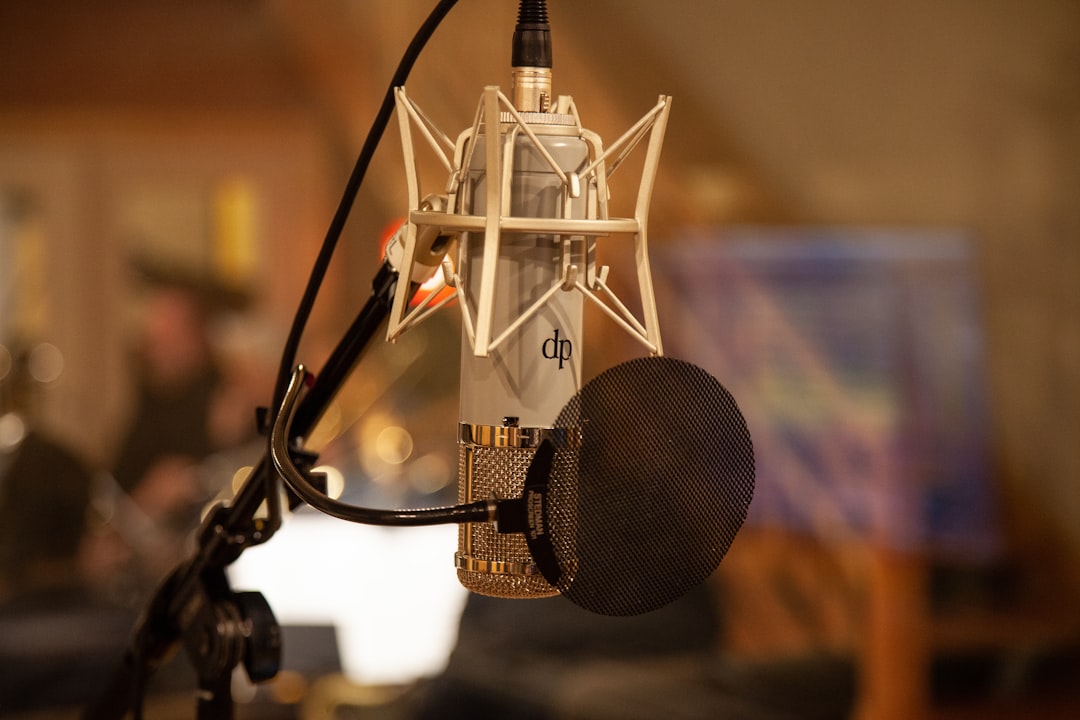
If you’re weighing nt1 vs nt1a, here’s the short version: both are large-diaphragm cardioid condensers from Rode aimed at home studios, both are famously quiet, and both need 48V phantom power. The difference most people actually hear is voicing — the NT1-A leans bright and forward, while the current NT1 aims for a more neutral, slightly warmer character that’s easier to shape in a mix. Buy the NT1-A if you want that airy, present sound straight out of the box; buy the NT1 if you’d rather capture a flatter signal and dial in the tone yourself.
Violet Recording is reader-supported — we may earn a commission from links on this page, at no extra cost to you.
Quick pick: which Rode condenser suits you
Short on time? Here’s the fast answer before the detail.
- Want bright, “finished” vocals with minimal EQ: Rode NT1-A. Shop on Amazon — Check the current price on Amazon.
- Want a neutral signal you’ll shape in the mix: Rode NT1. Shop on Amazon — Check the current price on Amazon.
- Want USB-C alongside XLR: Rode NT1 5th Generation. Shop on Amazon — Check the current price on Amazon.
At-a-glance comparison table
| Feature | Rode NT1-A | Rode NT1 |
|---|---|---|
| Type | Large-diaphragm condenser | Large-diaphragm condenser |
| Polar pattern | Cardioid (fixed) | Cardioid (fixed) |
| Powering | 48V phantom power | 48V phantom power |
| Tonal character | Bright, present, airy top end | More neutral and warm |
| Self-noise | Very low (Rode markets it among the quietest) | Very low (Rode rates it even quieter) |
| Connection | XLR only | XLR (USB-C on the 5th Gen model) |
| In the box | Shock mount, pop filter, cable, dust cover | Shock mount with integrated pop filter, cable, dust cover |
| Price | Check the current price on Amazon | Check the current price on Amazon |
What the nt1 vs nt1a comparison really comes down to
Strip away the marketing and these two microphones share far more than they differ. Both are 1-inch, side-address, cardioid condensers built for the same job: capturing vocals and acoustic instruments cleanly in a home or project studio. Both connect over XLR and need 48V phantom power from an audio interface or mixer — neither classic model is a plug-and-play USB mic on its own. If condensers are new to you, our guide to condenser vs dynamic microphones explains why these mics are sensitive, detailed, and happiest in a reasonably treated room.
The single biggest difference is voicing. The NT1-A has a reputation, earned over two decades, for a bright and forward sound — a lifted presence and top end that flatters vocals and helps them cut through a mix with little extra work. That’s exactly why it became a home-studio staple. The trade-off is that on already-bright or sibilant singers, or in a live-sounding room, that top end can tip into harshness, so many users pair it with a pop filter and a touch of de-essing.
The current NT1 was voiced deliberately differently: flatter and warmer, with a smoother top end. It sounds less “done” straight out of the mic, which seems like a downside until you realise a neutral capture gives you more room to shape the tone with EQ and compression. If you enjoy mixing, the NT1 is the more flexible starting point. If you want to record and be finished, the NT1-A’s built-in sparkle is genuinely convenient.
Same family name, different generations
Part of the confusion is history. Rode has used the “NT1” name across several designs. The NT1-A arrived in 2003 as a brighter, higher-output revision and became one of the best-selling studio condensers ever made. In 2014 Rode released a ground-up redesigned NT1 with a very low-noise capsule and a more neutral voicing, and later the NT1 5th Generation added a USB-C output alongside the XLR. So when people argue nt1 vs nt1a, they’re usually comparing the modern, neutral NT1 against the older, brighter NT1-A — related mics that don’t share a sonic personality.
The practical takeaway: this isn’t “newer is simply better.” The NT1-A’s brightness is a feature plenty of people specifically want. The modern NT1 trades that baked-in sparkle for neutrality and flexibility. Neither is wrong — they’re tuned for different workflows.
Self-noise, sensitivity and the “quietest mic” claim
Both microphones are celebrated for extremely low self-noise, which matters if you record quiet sources like fingerstyle guitar, soft vocals, or voiceover where you push the gain hard. Rode has long marketed the NT1-A as one of the quietest studio condensers around, and it rates the newer NT1 as quieter still. In real-world home use, both are quiet enough that your room, your preamp, and your gain staging will usually be the limiting factor long before the microphone’s own noise floor is.
Because they’re sensitive condensers, both will happily pick up your keyboard, your chair, traffic outside, and room reflections. That’s not a flaw — it’s the nature of the design. Give either mic some acoustic treatment, keep a consistent distance, and use good microphone placement for vocals, and both will reward you. If your room is noisy or lively and you can’t fix it, a dynamic mic may serve you better than either of these.
Connections: the NT1’s USB-C option
Here’s a genuinely decisive difference for some buyers. The NT1 5th Generation is a dual-connect mic — it has both a standard XLR output and a USB-C output, so you can plug it straight into a computer with no separate audio interface, then move to an XLR interface later without buying a new mic. For a first-time recordist or a podcaster who doesn’t want an interface yet, that’s real convenience.
The NT1-A (and the original XLR NT1) is XLR only, so it always needs an interface or mixer that supplies phantom power. That’s no drawback if you already own one — most serious setups do — but it’s an extra box and cost from zero. If you’re weighing that decision, USB mic vs audio interface is worth a read before you commit.
Build, accessories and what’s in the box
One reason the NT1-A became a go-to first “proper” mic is that it typically ships as a complete kit: the microphone, a shock mount, a dedicated pop filter, a cable and a dust cover. For a beginner that’s excellent value, because a shock mount and pop filter are things you’d otherwise buy separately.
The NT1 also comes bundled, and its standout accessory is the smart shock mount with an integrated pop filter — a tidy, effective all-in-one. Build quality on both is solid, with a durable finish. Neither mic gives you a switchable polar pattern, pad, or high-pass filter on the body; both are deliberately simple, fixed-cardioid designs. If you want those on-body controls, you’re looking at a different tier of microphone, not a difference between these two.
Price, value and which to choose
Both microphones sit in the affordable large-diaphragm condenser bracket — the space where quality home-studio mics generally live at roughly $200–300 as approximate, current-at-time-of-writing context, with entry-level condensers below that and pro large-diaphragm mics climbing well past $700. Within that band the NT1-A and NT1 are usually close in price, so cost rarely decides it. Decide on sound and connectivity instead. For a wider view of this tier, see our roundup of the best budget condenser microphones, and place both in the bigger picture with the best microphones for home recording.
Choose the Rode NT1-A if you want a bright, polished vocal sound with minimal EQ, you’re on a tighter budget, you already own an interface, and your voice or source leans dark or needs help cutting through. Shop on Amazon — Check the current price on Amazon.
Choose the Rode NT1 if you want a neutral, flexible mic you can shape in any direction, you value the lowest possible noise floor, or you want the option (on the 5th Generation) to plug in over USB-C now and XLR later. Shop on Amazon — Check the current price on Amazon.
A quick word on alternatives
If neither Rode lands for you, the obvious cross-shop is the Audio-Technica AT2035, another well-loved affordable condenser that adds an on-body pad and high-pass switch. Shop on Amazon — Check the current price on Amazon. To understand why capsule size shapes the sound of all of these, read large-diaphragm vs small-diaphragm condensers, and browse more buying help in our microphones hub. When you’re ready to actually record, our walkthrough on how to record vocals at home will get the most out of whichever you choose.
Frequently asked questions
Is the Rode NT1 or NT1-A better for vocals?
Both are strong vocal mics; the “better” one depends on your voice and workflow. The NT1-A’s bright, present tone flatters many vocalists and needs little tweaking, which suits streamers and quick sessions. The NT1’s more neutral voicing is better if you like to shape the vocal in the mix, or if your voice is already bright and you don’t want extra top end.
Do the NT1 and NT1-A both need phantom power?
Yes. Both are condensers and require 48V phantom power, supplied by an audio interface or mixer over an XLR cable. If you’re unsure how that works, see our explainer on what phantom power is. The one exception is the NT1 5th Generation, whose USB-C output can power the mic straight from a computer — but the classic NT1 and the NT1-A are XLR-only.
Are the NT1 and NT1-A the same microphone with a different name?
No. They share a family name and a similar form factor, but the current NT1 is a redesigned mic with a different capsule and a deliberately more neutral, warmer voicing than the older, brighter NT1-A. They’re related, not identical, which is why the nt1 vs nt1a choice really comes down to the sound you want and the connectivity you value.



