
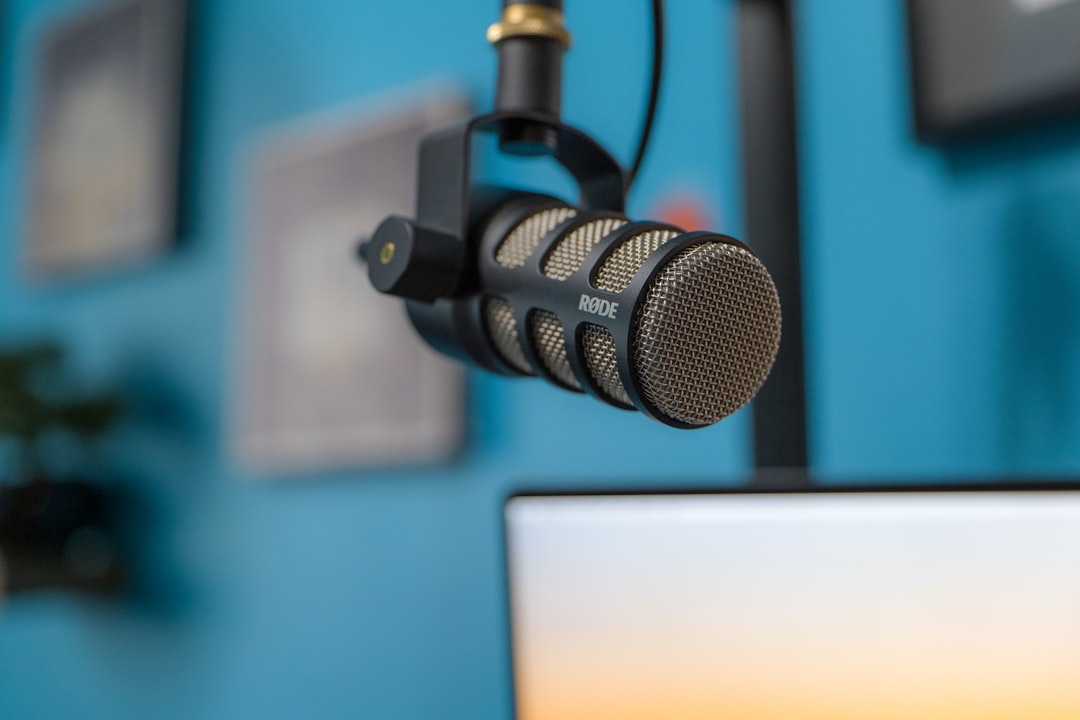
Choosing the best mic for recording guitar is less about spending the most money and more about matching the microphone to the source and then placing it well. A large-diaphragm condenser flatters a fingerpicked acoustic, a dynamic shrugs off the SPL of a cranked amp, and a small-diaphragm pencil condenser captures the fast transients of a strummed steel-string. In this guide we cover the mics that consistently deliver, plus the exact distances, angles and level targets that separate a thin scratch take from a keeper.
The best mic for recording guitar: our category picks
There is no single winner, so think in categories. Here are the workhorses home engineers reach for again and again, with honest trade-offs.
- Shure SM57 (dynamic) – the default for electric guitar amps. Pros: nearly indestructible, handles high SPL, sits perfectly in a dense mix, cheap enough to own several. Cons: a slight upper-mid bump that can get harsh on bright amps, and it needs a clean preamp with plenty of gain because its output is low.
- Sennheiser e906 (dynamic) – a flat, supercardioid amp mic you can hang over the front of a cabinet without a stand. Pros: fast to set up, three-position brightness switch. Cons: less “classic” than an SM57 on some sources, and the flatness means you have to place it well.
- Rode NT1 / NT1-5th Gen (large-diaphragm condenser) – excellent on acoustic guitar and quiet electric parts. Pros: very low self-noise, detailed top end. Cons: that detail is unforgiving of a bad room and finger noise.
- AKG C451 B or Rode NT5 pair (small-diaphragm condenser) – the go-to for acoustic strumming and stereo work. Pros: accurate transients, tight stereo imaging. Cons: can sound thin if placed too far from the body; buy in a matched pair for stereo.
- Beyerdynamic M160 (ribbon) – a smoother alternative on bright amps and acoustic. Pros: tames fizz, natural midrange. Cons: fragile, low output, and needs a quiet high-gain preamp.
Placement: distances and angles that actually work
Placement changes tone more than any mic swap. Start from these proven positions and move in small increments while listening in your headphones, not just by eye.
- Electric amp, dynamic mic: place the capsule about 2-3 cm (1 inch) from the grille cloth. Aim it at the point roughly halfway between the dust cap and the outer edge of the speaker cone. On-axis (pointing straight at the cone) is brightest; angle the mic 30-45 degrees off-axis to roll off harshness. Move toward the center for bite, toward the edge for warmth.
- Acoustic, single mic: point a small-diaphragm condenser at the 12th fret (where the neck meets the body) from about 15-20 cm (6-8 inches) away. Aiming directly at the soundhole gives a boomy, unbalanced low end – avoid it.
- Acoustic, stereo pair: use an XY or spaced pair – one capsule at the 12th fret, one over the lower bout near the bridge, each 20-25 cm out. Watch phase: sum to mono to check the low end does not disappear.
- Room ambience: add a condenser 1-1.5 m back for a natural blend on acoustic, but only if your room is treated. In a boxy room, close-mic and add reverb later.
Gain, levels and latency for clean guitar takes
Set your interface preamp so the loudest strums peak around -12 to -6 dBFS. That leaves headroom for a hot chorus and keeps you far from digital clipping, which on guitar sounds like a nasty crackle you cannot fix later. If the meter kisses 0 dBFS, back the gain off – a slightly quiet track is trivial to raise in the mix.
Dynamic mics like the SM57 have low output, so you may need 40-55 dB of clean gain; a noisy budget preamp will hiss at those settings. If you hear hiss, a clean inline gain booster or a better interface helps more than a new mic.
For latency while monitoring, drop your buffer size to 64 or 128 samples when tracking so you hear yourself in near-real time; playing electric through a soft-amp with 512 samples of round-trip lag feels rubbery. Bump the buffer back up to 512 or 1024 when you mix to free up CPU. If your interface has zero-latency direct monitoring, use it for the dry signal and reserve the low buffer for amp-sim monitoring.
Mic it or model it? A quick word on amp sims
If your room is loud-restricted or your amp is small, a modeled tone through a DI can beat a badly mic’d cabinet. Plugins such as Neural DSP and Guitar Rig let you record a clean DI and reamp endlessly – place a “virtual mic” without the SPL or the neighbours. Many engineers track both the DI and a real mic’d cabinet, then choose (or blend) at mixdown. For acoustic and vocals, though, a real mic in a decent spot still wins.
Room treatment: the free upgrade
A great mic in a bad room sounds like a bad room. Before buying anything, kill the worst reflections: hang a duvet on the wall behind the guitarist, record facing into a corner stuffed with soft furnishings, and keep the mic away from parallel hard surfaces. For acoustic guitar especially, controlling early reflections tightens the low-mids and reduces the “recorded in a bathroom” boxiness that no EQ fully removes.
Once your signal is clean, the mix does the rest. See our recording techniques hub for source-by-source walkthroughs, our guitar mixing guide for carving space with EQ, and the free metering and tuner utilities in the Violet Recording tools hub. Pick the right mic, put it in the right place, and leave headroom – that is 90% of a great guitar recording.



