
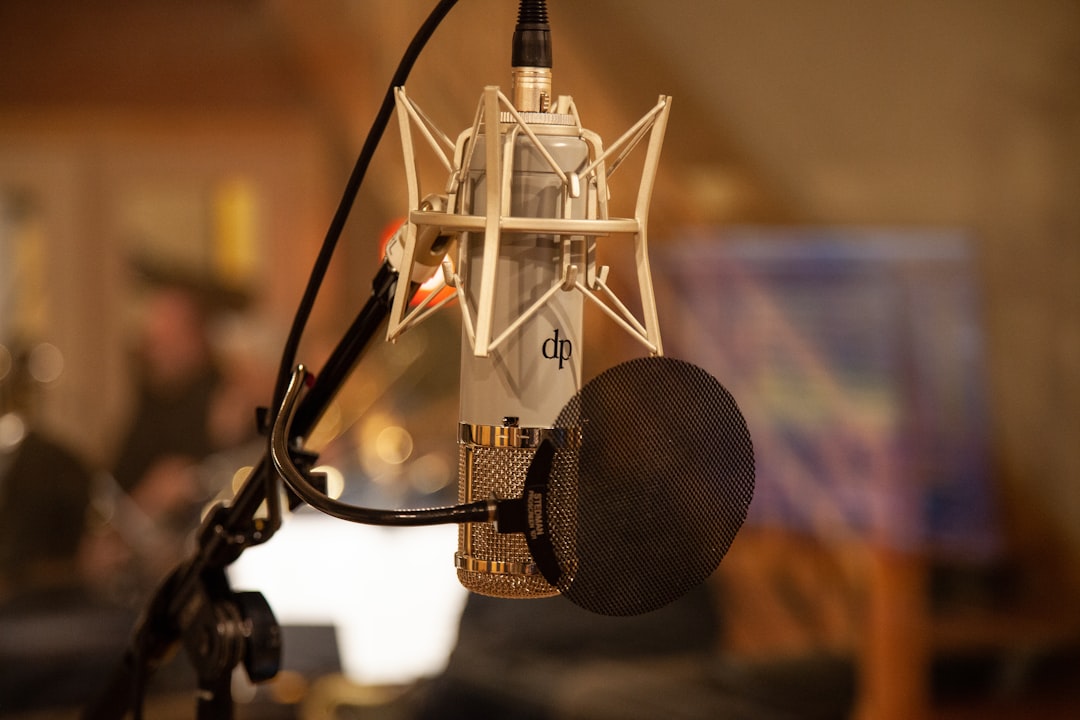
If you’re weighing sm57 vs sm7b, here’s the short answer: buy the SM57 if you mainly mic instruments — guitar amps, snare drums, brass — or want one cheap, indestructible workhorse. Buy the SM7B if your priority is broadcast-quality spoken word and vocals, and you already own an interface with plenty of clean gain. Both are Shure dynamic microphones built for the same reason — reliability and rejection of room noise — but they solve different problems.
Violet Recording is reader-supported — we may earn a commission from links on this page, at no extra cost to you.
SM57 vs SM7B at a glance: the quick-pick table
Before we dig into the details, here’s how the two mics line up on the things that actually influence a buying decision. Neither is “better” in the abstract — they’re tuned for different jobs, and the right pick depends on what you record most and how much clean gain your setup can deliver.
| Shure SM57 | Shure SM7B | |
|---|---|---|
| Type | Dynamic, cardioid | Dynamic, cardioid |
| Best for | Guitar/bass amps, snare, drums, brass, live vocals | Vocals, podcasting, streaming, voiceover, broadcast |
| Voicing | Bright, present, forward upper-mids | Smooth, warm, controlled highs, gentle presence lift |
| Gain needed | Moderate — most interfaces handle it fine | High — often needs an inline preamp booster |
| Built-in filters | None | Bass roll-off & presence-boost switches |
| Mounting | Needs a clip + stand | Integrated shock-isolated yoke mount |
| Handling noise | Higher — better on a boom than in hand | Very low — designed for close, static use |
| Price tier | Budget classic | Several times the SM57 |
| Shop | Shop on Amazon | Shop on Amazon |
Quick pick: Recording bands, amps and drums on a budget? Get the Shure SM57. Building a vocal booth, podcast desk or streaming rig and you want that polished radio tone? Get the Shure SM7B.
What the two mics actually have in common
Both microphones are cardioid dynamics, and that shared DNA matters more than the spec sheets suggest. Dynamic capsules are less sensitive than condensers, which sounds like a drawback but is often a blessing in an untreated room: they pick up less of your reflections, your keyboard clatter and the hum of your computer fan. The cardioid pattern rejects sound arriving from behind the mic, so anything you point it away from gets quieter. That’s why both mics turn up constantly in home studios, on live stages and in podcast setups where the space isn’t acoustically perfect. If you’re still deciding between mic types altogether, our guide on condenser vs dynamic microphones explains the trade-offs in plain terms.
Both are also famously durable. Shure’s dynamics survive being dropped, bumped and gigged for decades, and neither needs phantom power to work — a dynamic mic generates its own signal. So in terms of what they resist and reject, the SM57 and SM7B are cousins. Where they part ways is voicing, gain appetite and ergonomics.
The Shure SM57: the do-everything instrument workhorse
The SM57 has been on stages and in studios since 1965, and it earned that longevity honestly. Its voicing is bright and forward, with a lift in the upper-midrange that helps a snare crack through a busy mix and lets an electric guitar amp cut without needing much EQ. Point it at a screaming 4×12 cabinet and it just works — engineers have tracked entire records on little more than a couple of these. It’s equally at home on brass, toms and percussion.
Because its output is relatively hot for a dynamic, most audio interfaces drive it comfortably without any extra hardware. It’s small, light and cheap enough to own several, which is why studios keep them by the handful. The trade-offs are real, though: there’s no shock mount or pop filter built in, handling noise is high if you grab it by hand, and that bright voicing can get a little harsh on close, sibilant vocals. For a moving performer or a drum kit, none of that matters. For a podcaster parked six inches from the capsule, it can.
If you mostly mic amps and drums — or you want a first serious mic that will never be wasted no matter how your studio grows — the SM57 is one of the safest purchases in audio. Shop on Amazon and check the current price on Amazon; it’s usually the least expensive “real” mic on this page. See where it lands among our best dynamic microphones for vocals too.
The Shure SM7B: the broadcast and vocal specialist
The SM7B is the mic you’ve heard without knowing it — on countless podcasts, radio shows, streams and, famously, on Michael Jackson’s Thriller vocals. Its whole design points at close-up voice work. The frequency response is smooth and controlled, taming harsh highs and sibilance while a gentle presence bump keeps speech intelligible. The result is that warm, expensive-sounding tone people associate with professional broadcast.
It comes with an integrated shock-isolated yoke mount and a built-in windscreen, plus two switches — a bass roll-off and a presence boost — that let you tune the tone without touching a plugin. It rejects handling and structural noise beautifully, which is exactly what you want on a desk boom next to a clicky keyboard. It also has strong electromagnetic hum shielding, handy near computer monitors.
The catch is gain. The SM7B has a low output level and needs a lot of clean amplification — roughly 60 dB or more of quiet gain to sit at a healthy level. Budget interfaces often run out of headroom before they get there, adding hiss. That’s why many owners pair it with an inline preamp booster like the Cloudlifter CL-1 (Shop on Amazon), which adds around 25 dB of clean, phantom-powered gain and makes the SM7B far more forgiving on modest interfaces. Budget for that extra box if your preamps aren’t strong. When you’re ready, Shop on Amazon and check the current price on Amazon — and read our full Shure SM7B review for a deeper look.
How they sound different — and why gain is the real deciding factor
Put the two side by side on the same voice and the difference is immediate. The SM57 is brighter and more aggressive, pushing the upper-mids so consonants and pick attack jump forward. The SM7B is rounder and more polished, with the top end reined in so it never gets edgy even inches from your mouth. For a snare or a guitar amp, the SM57’s bite is an asset. For a spoken voice held close for an hour, the SM7B’s smoothness is far easier to listen to.
Gain is the practical fork in the road. The SM57 plays nicely with almost anything, so if your interface is entry-level, it’s the lower-friction choice. The SM7B demands a strong, quiet preamp — get that wrong and you’ll hear more hiss than voice. If your interface is a well-specced unit like the Focusrite Scarlett 2i2, you may just about get there on vocals; if it’s older or noisier, plan on a Cloudlifter. It’s worth learning gain staging either way — good levels flatter both mics. And whichever you choose, mic placement and a little room treatment will do more for your sound than the badge on the mic.
Which Shure dynamic should you buy?
Reduced to a single line: the SM57 is an instrument-first generalist, the SM7B is a voice-first specialist. Choose the SM57 if you record guitar amps, drums or a band, want maximum flexibility per dollar, or need a bulletproof first mic that also handles live vocals. Choose the SM7B if your work is podcasting, streaming, voiceover or studio vocals, you value plug-and-play polish, and you either own a strong interface or will add a Cloudlifter.
Money matters here too. You could buy several SM57s for the price of one SM7B, and once you factor in a booster the gap widens. If budget is tight and the job is spoken word, an SM57 into a well-set interface will get you a long way — but the SM7B earns its price the moment consistent broadcast tone is the goal. For more context, browse the full Microphones hub and our roundup of the best microphones for home recording.
Frequently asked questions
Can the SM57 be used for vocals and podcasting?
Yes, and plenty of people do. The SM57 records spoken and sung vocals perfectly well, especially with a foam windscreen or pop filter to soften plosives. Its brighter voicing can emphasise sibilance up close, so it isn’t quite as effortless as the SM7B for long-form talking, but as a budget vocal and podcast mic it’s a genuinely good option.
Do I really need a Cloudlifter for the SM7B?
Only if your interface can’t supply enough clean gain. The SM7B needs a lot of quiet amplification, and many affordable interfaces get hissy near their maximum. If your preamps are strong and low-noise, you can run the SM7B directly. If you hear hiss when you turn the gain up for a normal speaking level, an inline booster like the Cloudlifter CL-1 solves it.
Is the SM7B worth the extra money over the SM57?
For dedicated voice work, yes. You’re paying for the smoother tone, the integrated shock mount and windscreen, the tone switches and the excellent handling-noise rejection — all of which matter when someone speaks or sings close to the mic for hours. For instruments and general utility, the SM57 delivers most of the durability and reliability for a fraction of the price.



