
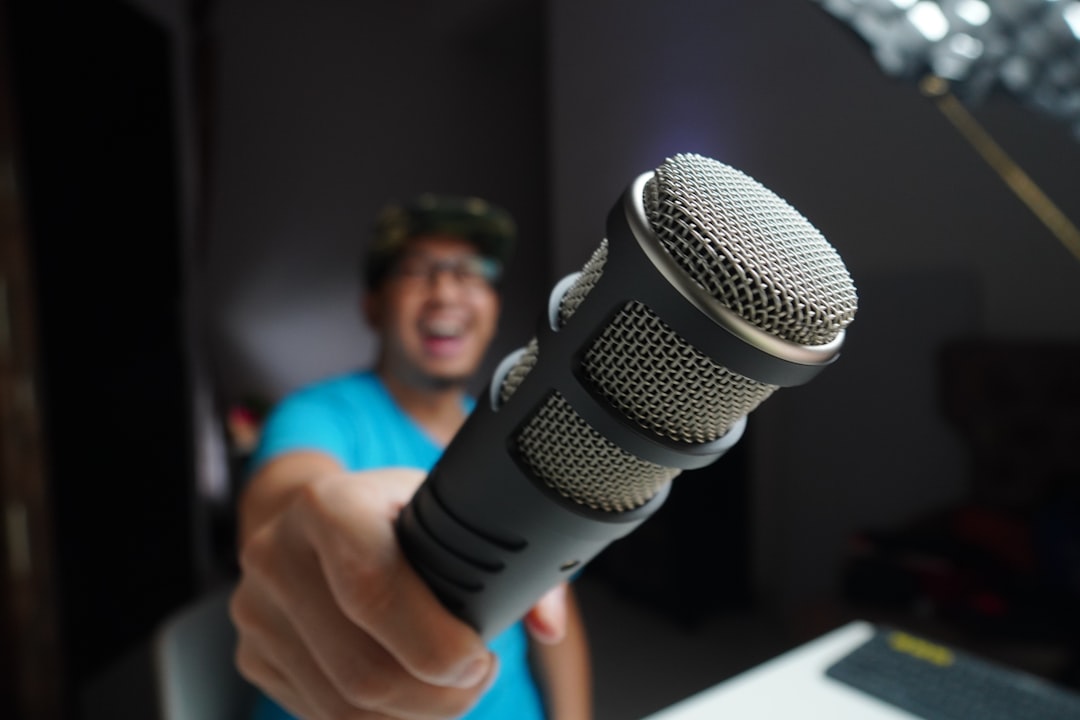
If you’re weighing condenser vs dynamic for streaming, here’s the short answer: pick a dynamic mic if your room is untreated and noisy, and pick a condenser only if you’ve tamed your space and want a more open, detailed sound. For most Twitch, YouTube and Discord streamers in an ordinary bedroom, a dynamic mic is the safer, better-sounding choice. This guide explains why, then names real picks in both camps with current pricing you can check yourself.
Violet Recording is reader-supported — we may earn a commission from links on this page, at no extra cost to you.
The quick verdict on condenser vs dynamic for streaming
There’s no universally “better” microphone here — the right answer depends almost entirely on your room. Use this quick-pick table to jump to the type that fits your situation, then read the reasoning below so you understand the trade-offs before you spend money.
| Your situation | Best type | Recommended pick | Price |
|---|---|---|---|
| Untreated bedroom, keyboard noise, roommates, fans | Dynamic | Shure MV7+ — Shop on Amazon | Check the current price on Amazon |
| Budget dynamic, XLR into an interface | Dynamic | Shure SM58 — Shop on Amazon | Check the current price on Amazon |
| Broadcast-grade voice, willing to add a preamp/interface | Dynamic | Shure SM7B — Shop on Amazon | Check the current price on Amazon |
| Treated or quiet room, want detailed, airy sound | Condenser | Rode NT1 5th Gen — Shop on Amazon | Check the current price on Amazon |
| Simplest possible USB setup, plug-and-play | Condenser (USB) | Blue Yeti — Shop on Amazon | Check the current price on Amazon |
How condenser and dynamic microphones actually differ
Both types turn sound into an electrical signal, but they do it with very different hardware, and that difference is what you can hear on stream. A dynamic microphone uses a moving coil attached to a diaphragm; it’s rugged, needs no external power, and is relatively insensitive. A condenser microphone uses a thin, electrically charged diaphragm that reacts to the tiniest pressure changes, needs phantom power to run, and is far more sensitive.
That sensitivity is the whole story for streamers. A condenser hears everything: your voice, yes, but also your mechanical keyboard, your PC fans, the road outside, and the reflections bouncing off your bare walls. A dynamic mic largely ignores that background because it simply isn’t sensitive enough to pick it up at a distance. For a fuller primer on the underlying tech, our condenser vs dynamic microphones explainer goes deeper, but for streaming the practical consequences are what matter.
Why your room decides the winner
Professional voice booths and vocal studios are stuffed with condensers because those rooms are acoustically dead — heavy treatment, no reflections, near-silent HVAC. Your gaming setup is the opposite: a hard desk, a glowing PC an arm’s length away, and four untreated walls. Drop a sensitive condenser into that environment and it will faithfully capture all of it, leaving your voice sounding thin, roomy and distant with a hissy, distracting noise floor.
A dynamic mic solves this without you spending a cent on acoustic treatment. Because you speak into it from a few inches away and it rejects distant sound, you get a close, intimate, radio-style voice while the keyboard clatter and room echo mostly vanish. This is exactly why broadcasters, podcasters and the biggest streamers overwhelmingly use dynamics. If you can’t or won’t treat your room — and most streamers can’t — the choice is essentially made for you.
Sound character: intimate broadcast vs open detail
Set the noise question aside for a moment and the two types genuinely sound different. Dynamics tend to deliver a warm, punchy, up-close midrange with a controlled top end — that “late-night radio host” tone people associate with a polished stream. Speak close and the proximity effect adds a pleasing weight to your voice.
Condensers capture more high-frequency detail and “air,” which can sound crisp, open and expensive when the room cooperates. The catch is that same detail exposes sibilance, mouth noise and background clutter. On a controlled voice in a quiet space, a condenser can sound stunning; on an average voice in an average room, a dynamic almost always sounds more professional to a listener. Neither is objectively better — they suit different rooms and different voices.
Connection and setup: USB simplicity vs XLR control
Both types come in USB and XLR flavours, and this affects your buying decision as much as the capsule does. USB mics plug straight into your PC and work in minutes — ideal if you never want to think about hardware again. The Blue Yeti is the classic plug-and-play USB condenser, though remember it carries all of a condenser’s sensitivity, so it needs a quiet room and careful placement to shine.
XLR mics need an audio interface or a dedicated preamp, which adds cost and a little learning — see our guide on how to set up an audio interface if you go this route. In return you get better preamps, room to upgrade, and access to broadcast dynamics like the SM7B. A smart middle path is a mic like the Shure MV7+, which offers both USB and XLR out of one body, letting you start simple and grow into an interface later. If you’re still deciding between the two connection styles, our USB mic vs audio interface comparison lays out the money and the trade-offs.
The best dynamic mics for streaming
These are the safe picks for real-world rooms. All are dynamics, so they reject background noise and forgive an untreated space.
- Shure MV7+ — a hybrid USB/XLR dynamic built specifically for podcasters and streamers, with onboard DSP and a rich, broadcast voice. The single best all-rounder for most people. Shop on Amazon — Check the current price on Amazon.
- Shure SM7B — the streamer and podcaster icon. It needs plenty of clean gain (an interface plus a good preamp or an inline booster), but the voice it delivers is worth the fuss. Shop on Amazon — Check the current price on Amazon. Read our full Shure SM7B review before you commit.
- Shure SM58 — the indestructible budget classic. It’s a handheld vocal mic, but on a boom arm it makes a fantastic, cheap streaming dynamic that rejects room noise beautifully. Shop on Amazon — Check the current price on Amazon.
- Rode PodMic — an affordable XLR broadcast dynamic with a full, weighty tone, perfect if you already own an interface. Shop on Amazon — Check the current price on Amazon.
The best condenser mics for streaming
Choose these only if your room is quiet or treated. They reward good acoustics with detail and clarity.
- Rode NT1 5th Gen — a famously low-noise studio condenser with dual USB and XLR connectivity, so you can start on USB and move to an interface later. Gorgeous on a controlled voice. Shop on Amazon — Check the current price on Amazon.
- Audio-Technica AT2020 — the budget condenser benchmark, available in XLR and USB versions. A great first condenser if you’ve got the room for it. Shop on Amazon — Check the current price on Amazon.
- Blue Yeti — the most popular USB streaming mic ever made. Truly plug-and-play with selectable pickup patterns, but its sensitivity means it needs a quiet space and close, on-axis speaking to sound its best. Shop on Amazon — Check the current price on Amazon.
If you want more options in this price bracket, our roundup of the best budget condenser microphones covers the field in detail.
Frequently asked questions
Is a condenser or dynamic mic better for streaming on Twitch?
For most Twitch streamers, a dynamic mic is better. Twitch setups almost always live in untreated bedrooms with a loud keyboard and PC nearby, and a dynamic’s low sensitivity rejects that noise while giving a close, professional voice. Only reach for a condenser if your room is genuinely quiet or acoustically treated.
Do I need phantom power for a streaming microphone?
Only if you use an XLR condenser, which requires 48V phantom power supplied by your audio interface or mixer. Dynamic mics don’t need phantom power at all, and USB mics power themselves over the USB cable. Our phantom power explainer covers when you do and don’t need it.
Can I use a condenser mic without acoustic treatment?
You can, but you probably won’t like the result. Without treatment, a condenser picks up echo, room tone and background noise that make your voice sound distant and hissy. If your room is bare and you can’t treat it, choose a dynamic mic instead — it’s the single easiest way to sound better on stream. See our acoustic treatment guide if you want to improve the room.



