
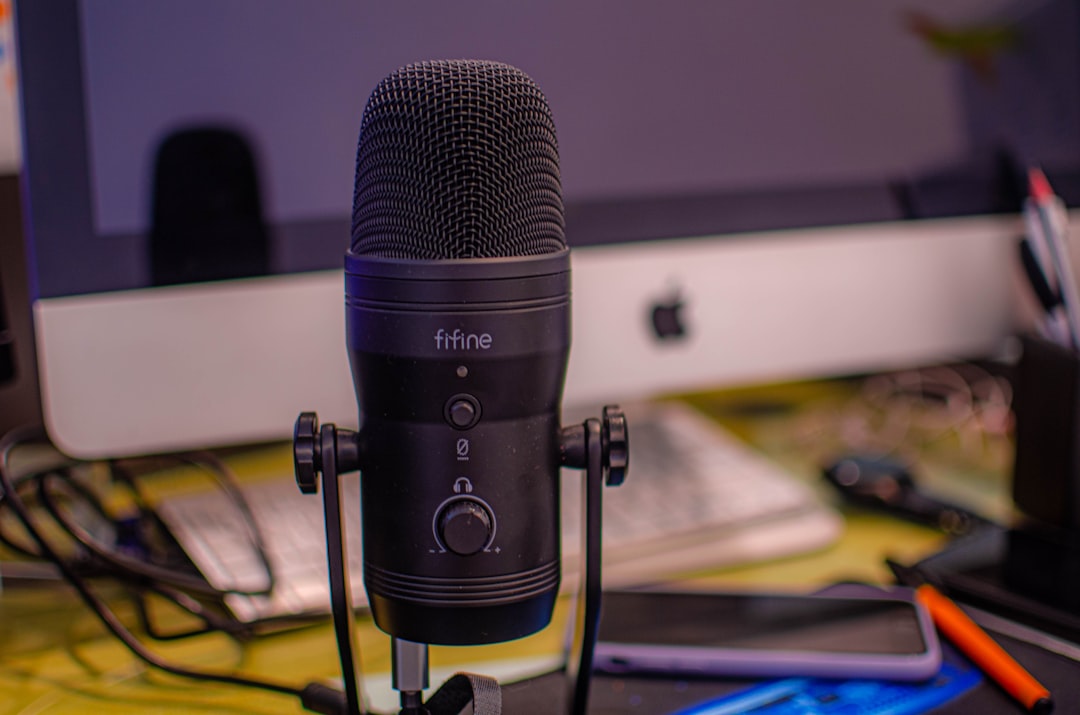
Short answer: are expensive microphones worth it? Sometimes — but far less often than gear marketing wants you to believe. A pricier mic can buy you a lower noise floor, sturdier build and a more flattering tuned character, yet the biggest jumps in your recordings come from mic placement, room treatment and your source, not the badge on the capsule. Below we compare budget, mid-range and premium options by price band so you can see exactly where extra money earns its keep and where it quietly disappears.
Violet Recording is reader-supported — we may earn a commission from links on this page, at no extra cost to you.
The quick verdict: when a pricier mic actually pays off
If you record spoken-word content, most rock and pop vocals, or podcasts in an untreated room, a well-chosen microphone in the roughly $100–400 band will get you 90% of the way to a professional result. Spend beyond that when you have a quiet, treated space, a great singer or instrument to capture, and a specific tonal goal a cheaper mic can’t hit. Here’s how the tiers stack up before we dig into each. Prices move around, so treat the bands as approximate and current at the time of writing — when you’re ready, check the current price on Amazon for the exact model.
| Tier (approx. band) | Example pick | Best for | What you gain | Link |
|---|---|---|---|---|
| Budget dynamic (~$100) | Shure SM58 | Vocals, podcasts, untreated rooms | Bulletproof build, rejects room noise | Shop on Amazon |
| Budget condenser (~$100) | Audio-Technica AT2020 | Home vocals, voiceover, acoustic | Detail and clarity on a small budget | Shop on Amazon |
| Mid-range dynamic (~$400) | Shure SM7B | Broadcast vocals, loud sources | Smooth tuned tone, superb noise rejection | Shop on Amazon |
| Mid-range condenser (~$250) | Rode NT1 5th Gen | Treated home studios, detailed vocals | Very low self-noise, clean capture | Shop on Amazon |
| Premium condenser (~$1,000+) | Neumann TLM 103 | Pro vocals, commercial work | Flattering character, resale, consistency | Shop on Amazon |
What you’re actually paying more for
Microphone price scales with a handful of measurable things, and it helps to name them so you can decide which ones you actually need. The first is the self-noise of the capsule and electronics. A budget condenser hisses a little on its own; a premium one is quieter. That difference is inaudible on a loud rock vocal but very audible on a whispered voiceover or a quiet fingerpicked guitar, where you’ll crank the gain and hear the mic’s own noise floor. This is one of the more honest reasons to spend up.
The second is build and consistency. Expensive mics are assembled to tighter tolerances, so two units off the line sound almost identical — which matters if you buy a matched pair or need to replace one in two years and want the same tone. Cheaper mics vary more from unit to unit. Third is tuning: pricier vocal mics are voiced with a deliberate frequency response that flatters voices without heavy EQ, so you’re paying an engineer’s ear, not just parts. Finally there’s resale value; a Neumann holds its price for years, while an entry-level condenser is worth little used. As rough context, entry-level condensers run roughly $50–100, capable mid mics land around $200–400, and pro large-diaphragm models climb past $1,000 — general bands, not quotes.
The mid-range jump: are expensive microphones worth it?
This is the tier where spending more is easiest to justify, so let’s answer directly: are expensive microphones worth it once you cross into the mid band? Often yes, because you get a genuine capability upgrade rather than a badge. The Shure SM7B is the poster child — a dynamic broadcast mic with a smooth, flattering voicing and excellent rejection of room and computer-fan noise, which is why podcasters and streamers love it. Note it wants plenty of clean gain, so budget for a good preamp or an inline booster and read our interface setup guide on levels. Shop on Amazon and check the current price on Amazon: Shop on Amazon.
On the condenser side, the Rode NT1 5th Gen delivers famously low self-noise and a clean, modern capture that takes EQ well, plus a dual USB/XLR output that future-proofs a growing setup. It rewards a treated room with pristine detail. Check the current price on Amazon: Shop on Amazon. For most serious hobbyists, one of these two mics is the last microphone they genuinely need. If you’re still deciding between capsule types, our guide to condenser vs dynamic microphones and large-diaphragm vs small-diaphragm condensers will narrow it down fast.
Budget microphones that punch above their price
Start here, because this is where most home recordists should stay until the room and the performance are dialled in. The Shure SM58 is the reference point for value: a dynamic mic that has recorded countless hit vocals, ignores room reflections and survives being dropped. Its close cousin the Shure SM57 does the same job on guitar cabs and snares. Because dynamics don’t need a quiet, treated room to sound good, they’re the smart first buy for an untreated bedroom, and they cost a fraction of a boutique mic for a sound that ships on real records. Check the current price on Amazon: Shop on Amazon for the SM58, or Shop on Amazon for the SM57.
If you want the airy detail of a condenser, the Audio-Technica AT2020 is the benchmark budget large-diaphragm condenser for voiceover and acoustic sources. It reveals more high-end sparkle than a dynamic, at the cost of also revealing your room — so pair it with some acoustic treatment. For USB simplicity, the AT2020 USB+ skips the interface entirely, and our comparison of a USB mic vs an audio interface covers which route suits you. Check the current price on Amazon: Shop on Amazon for the XLR version, or Shop on Amazon for the USB+.
Premium microphones: what the extra money buys
Above the mid band you enter diminishing-returns territory, where each extra dollar buys a smaller sonic gain. That doesn’t make these mics pointless — it makes them tools for people whose room, chain and performances are already excellent. The Neumann TLM 103 offers a slightly larger-than-life vocal character, very low noise and the kind of consistency commercial studios rely on; it sounds “finished” with minimal processing. Check the current price on Amazon: Shop on Amazon.
For sheer flattery on a wide range of voices, the Neumann U 87 Ai remains an industry standard, with multiple polar patterns and a tone engineers reach for by reflex — though its price is a professional investment, not a hobby purchase. Check the current price on Amazon: Shop on Amazon. The honest truth: a premium mic in a bad room sounds worse than an AT2020 in a good one, because a sensitive capsule captures the very reflections you were trying to avoid. Spend here last, not first.
Spend on these before you spend on the mic
Before you upgrade the microphone, put money where it moves the needle more per dollar. A little acoustic treatment — a few panels behind you and at the first reflection points — improves every recording you’ll ever make with any mic. Learning solid microphone placement and gain staging changes your sound more than a pricey capsule swap. And a clean interface with enough gain, covered in our audio interfaces guides, unlocks the mic you already own. If you’re still shortlisting, the best microphones for home recording and the wider microphones hub are good next stops.
How to choose the right microphone for your budget
Match the mic to three things: your room, your source and your workflow. If your room is untreated and noisy, buy a dynamic — the SM58 or SM7B — and stop worrying about self-noise, because a dynamic’s low sensitivity is a feature, not a compromise. If your room is treated and you want detail on vocals or acoustic instruments, a condenser like the AT2020 on a budget or the NT1 in the mid band is the better fit. Only step up to Neumann territory when you’re recording paying clients or chasing a specific commercial sheen, and your chain and room can actually reveal the difference. Buy the cheapest mic that meets your real need today; you’ll upgrade with far better judgement once you’ve logged a hundred takes.
Frequently asked questions
Can listeners tell the difference between a cheap and expensive microphone?
In isolation, trained ears often can — a premium mic tends to have less hiss and a smoother top end. In a finished mix, over streaming compression and on typical playback, most listeners cannot reliably pick the expensive mic. Placement, room and performance mask capsule differences far more than people expect, which is why a well-recorded AT2020 can beat a carelessly recorded Neumann.
Is an expensive microphone worth it for podcasting?
Usually not at the very top end. Podcasting rewards noise rejection and a forgiving, warm voice tone, which a mid-range dynamic like the Shure SM7B nails without a premium condenser’s sensitivity to room noise. Many great shows are recorded on a budget SM58. Spend your budget on treating the room and a clean preamp before a boutique mic. Check the current price on Amazon: Shop on Amazon.
What should I upgrade first if my recordings sound bad?
Your room and technique, in that order. Add acoustic treatment, move the mic closer, control your gain staging, and fix your monitoring before you replace the microphone. Most “bad mic” recordings are actually bad-room or bad-placement recordings — see our home vocal recording guide — and no mic, cheap or expensive, fixes a reflective, noisy space.



