
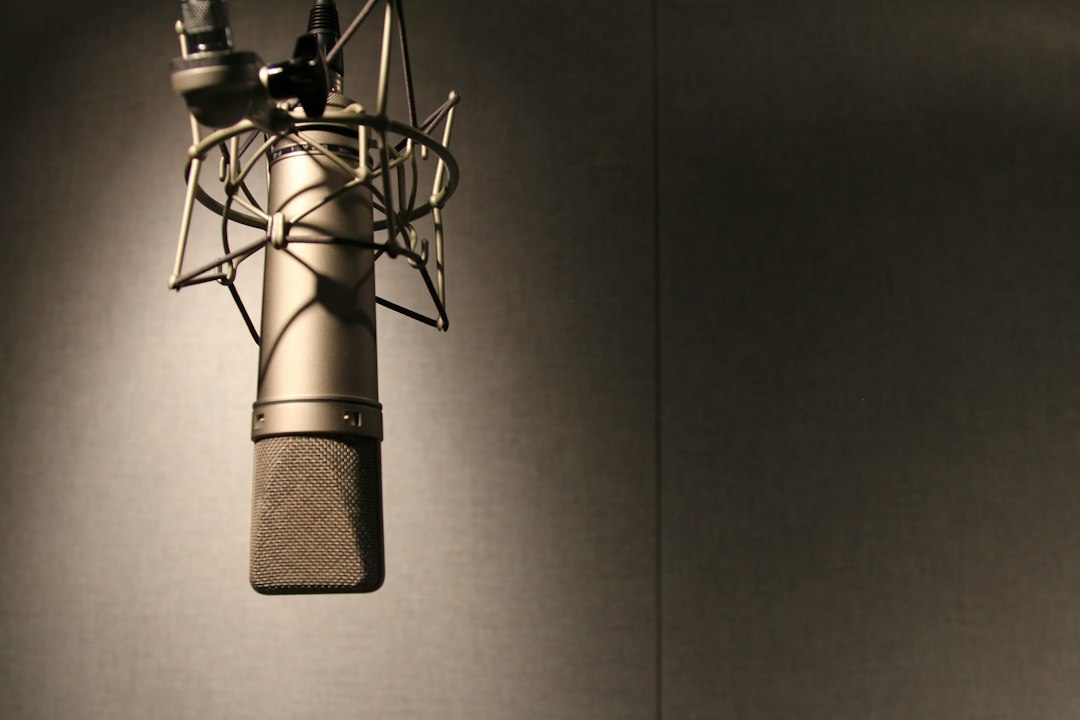
The microphone is the part of a karaoke setup everyone touches, and the one most likely to let the night down. Cheap mics hiss, drop out, howl with feedback or add a distracting delay. The best karaoke microphone for you depends on what it plugs into: a phone, a karaoke machine, a party speaker or a mixer. This guide splits the options into Bluetooth all-in-one mics, wireless UHF systems and wired dynamic mics, with honest notes on range, latency, battery life and who each pick is not for.
Bluetooth, wireless UHF or wired?
Bluetooth karaoke mics have a small speaker built in and play music from your phone. They are fun, portable and cheap, but the sound is thin and they are not designed to feed a big speaker. Wireless UHF and 2.4GHz systems pair handheld mics with a receiver you plug into a karaoke machine, speaker, mixer or amp. They have very low latency, which matters more than anything else for singers. Wired dynamic mics are the most reliable and best sounding for the money, with zero batteries and zero dropouts, at the cost of a cable across the floor.
One rule worth remembering: do not try to send vocals over a standard Bluetooth audio link to a speaker. The delay is short on paper but long enough to make singers feel like they are in an echo chamber.
Our picks for the best karaoke microphone
BONAOK Bluetooth Karaoke Microphone
The BONAOK Bluetooth karaoke microphone is the classic three-in-one handheld: microphone, speaker and recorder. Pair it with a phone, open a karaoke app or YouTube, and separate controls set mic volume, music volume and echo. It also plays from a micro SD card.
Best for: kids, gifts, car trips and solo singing anywhere.
- Pros: no other gear needed, simple controls, very affordable.
- Cons: small built-in speaker; not a fit for a real PA or party speaker.
JBL PartyBox Wireless Mic
If you own a JBL PartyBox, the JBL PartyBox Wireless Mic pair is the obvious upgrade. The two digital cardioid mics have a shock mount and built-in pop filter, a rated 20 hours of battery and recharge from the speaker’s own charging port. A wireless dongle plugs into the PartyBox for a clean, low-lag link.
Best for: JBL PartyBox owners who want matching, no-fuss mics.
- Pros: long battery life, quick top-up charging, handling noise kept low.
- Cons: designed around PartyBox speakers; battery life drops when using the dongle.
JBL Wireless Two Microphone System
The JBL Wireless Two Microphone System is a more universal option: two UHF handhelds and a rechargeable dual-channel receiver that plugs into most speakers and karaoke machines with a mic or line input. The mics run on replaceable AA batteries, which is handy when a rechargeable dies mid-song.
Best for: duets on a non-JBL speaker or karaoke machine.
- Pros: plug-and-play pairing, dual receiver, swappable batteries.
- Cons: receiver battery is rated around six hours, so keep a charger near long parties.
TONOR Wireless Microphone System
The TONOR wireless microphone system uses metal-bodied mics and a rechargeable receiver with automatic syncing, 15 selectable channels and a rated line-of-sight range of 200 feet. It works with powered speakers, karaoke machines, mixers and audio interfaces, but not directly with phones or tablets.
Best for: budget buyers who want proper wireless mics for an existing speaker.
- Pros: sturdy build, channel switching to dodge interference, good value.
- Cons: needs a speaker or mixer; will not plug into a phone.
Phenyx Pro PTU-71-2H
The Phenyx Pro PTU-71-2H is a dual-channel UHF system with auto-scan frequency selection, a frequency lock and a metal receiver. It is a step toward pro gear: 100 selectable frequencies per channel make it more stable in crowded wireless environments, and the mics have a mute switch and replaceable heads.
Best for: mixer-based setups, small bars and community events.
- Pros: auto-scan finds clean channels, two independent mics, metal build throughout.
- Cons: needs mains power for the receiver, and AA batteries rather than built-in charging.
Shure BLX288/PG58
The Shure BLX288/PG58 is a dual wireless vocal system from the same company that makes the SM58, with PG58 cardioid capsules, QuickScan frequency setup and a rated 14 hours per pair of AA batteries. It sits in the over-budget band for home use but is built for years of regular gigs, which makes it a favourite for karaoke hosts.
Best for: karaoke hosts and serious hobbyists who want reliability above all.
- Pros: trusted brand, solid vocal capsules, dependable signal.
- Cons: sold in regional frequency bands, so pick the band legal where you live; costs far more than consumer kits.
Shure SM58
The wired Shure SM58 is the most familiar vocal mic in the world. Its cardioid pattern rejects sound from behind, which keeps feedback down near speakers, and it survives being dropped far better than any wireless handheld. Plug it into any karaoke machine or speaker with an XLR or quarter-inch mic input using the right cable.
Best for: anyone who wants pro sound, zero batteries and zero lag.
- Pros: excellent vocal tone, famously tough, no latency or dropouts.
- Cons: needs a cable; most consumer karaoke machines expect a quarter-inch jack, so check your cable ends.
Audio-Technica ATR1300x
The Audio-Technica ATR1300x is an affordable wired dynamic mic with an on/off switch and a detachable XLR to quarter-inch cable included, so it plugs straight into most karaoke machines. It is a big step up from the plastic wired mics bundled with cheap machines.
Best for: upgrading a karaoke machine on a tight budget.
- Pros: cable included, metal build, on/off switch, very low cost.
- Cons: less detailed than an SM58; wired only.
Comparison table
| Product | Best for | Key feature |
|---|---|---|
| BONAOK Bluetooth | Kids and solo singing | Built-in speaker and echo |
| JBL PartyBox Wireless Mic | PartyBox owners | 20-hour rated battery |
| JBL Wireless Two Mic System | Any speaker, duets | Dual UHF receiver |
| TONOR Wireless | Budget wireless | 15 channels, metal mics |
| Phenyx Pro PTU-71-2H | Mixer-based rigs | Auto-scan UHF |
| Shure BLX288/PG58 | Karaoke hosts | Pro dual wireless |
| Shure SM58 | Pro wired sound | Cardioid, rugged |
| Audio-Technica ATR1300x | Budget wired upgrade | Cable included |
How to choose a karaoke microphone
Start with the input. Look at what you are plugging into. Karaoke machines usually have quarter-inch mic jacks; party speakers often have one quarter-inch mic input or a combo jack; mixers take XLR. A wireless receiver needs a matching output and cable, so check both ends.
Latency matters more than range. A rated 200-foot range is irrelevant in a living room. What you will notice is delay between singing and hearing yourself. UHF and dedicated 2.4GHz digital systems are effectively instant. Bluetooth audio links are not.
Battery type. Built-in rechargeable mics are convenient but cannot be swapped when they die. AA-powered mics can be topped up in seconds. For long parties, either keep spare AAs or pick a mic you can charge while using.
Pickup pattern. Cardioid dynamic mics reject sound from behind, which reduces feedback when singers wander near the speaker. Point the back of the mic toward the speaker, not the front.
Effects live elsewhere. Echo and reverb usually come from the karaoke machine or mixer, not the microphone, except on Bluetooth all-in-one mics. If your speaker has no echo control, a small mixer from our karaoke machines for TV guide adds one.
For more on vocal mic tone, our dynamic microphones for vocals guide goes deeper, and the best microphone for singing covers recording too. A sturdy stand from our microphone stands roundup frees your hands for the dance break.
Getting a cleaner karaoke vocal
- Hold the mic two to five centimetres from your mouth and keep it there; most cheap mics sound thin when held far away.
- Do not cup the grille. It changes the pickup pattern and invites feedback.
- Set echo low and raise it until it sounds full, not washed out.
- Keep wireless receivers in line of sight and away from Wi-Fi routers.
Putting the whole system together? Our guide on how to set up karaoke at home walks through the full chain.
FAQ
Can I use a karaoke microphone with my TV?
Some smart TVs accept specific USB microphone kits, but most need a karaoke mixer, soundbar or machine between the mic and the TV audio. Bluetooth mics generally cannot be paired to a TV for live singing without delay.
Are wireless karaoke mics worse than wired?
Good UHF wireless mics sound very close to wired ones and are much more fun at a party. Wired mics still win on reliability and cost per quality, and they never run out of battery.
Why does my karaoke mic squeal?
That is feedback: the mic is picking up its own sound from the speaker. Stand behind or beside the speaker, lower the mic volume, reduce echo and avoid pointing the mic at the speaker.



