
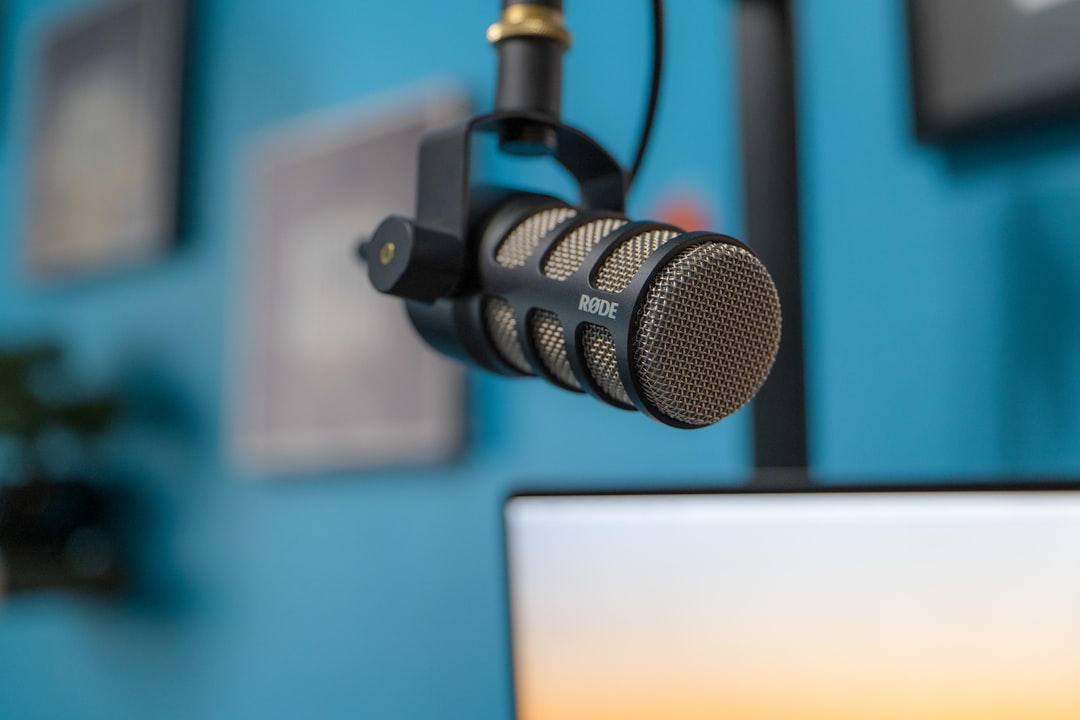
If you’re weighing sm7b vs rode nt1, here’s the short answer: the Shure SM7B is a dynamic broadcast mic that shrugs off noisy rooms and demands lots of clean gain, while the Rode NT1 is a large-diaphragm condenser that captures more detail for less money but hears everything in the room. Pick the SM7B if your space is untreated or loud; pick the NT1 if your room is quiet and you want the most sound-per-dollar.
Violet Recording is reader-supported — we may earn a commission from links on this page, at no extra cost to you.
The quick verdict: which mic wins for you
These two mics get cross-shopped constantly, but they solve different problems. The SM7B is the safe pick for imperfect rooms and voices that need taming. The NT1 is the value pick for detail and versatility when you have quiet surroundings and a decent interface. Here’s the at-a-glance comparison before we dig in.
| Shure SM7B | Rode NT1 (5th Gen) | |
|---|---|---|
| Type | Dynamic, cardioid | Condenser, cardioid |
| Best for | Podcasts, streaming, close vocals, loud/untreated rooms | Studio vocals, acoustic instruments, quiet treated rooms |
| Phantom power | Not required | Required (48V) |
| Gain needed | Very high (~60dB clean) | Modest — easy for any interface |
| Room forgiveness | Excellent — rejects room noise | Low — captures the whole room |
| Sound character | Warm, smooth, midrange-forward | Detailed, bright, airy top end |
| Price bracket | Higher | Lower |
| Where to buy | Shop on Amazon | Shop on Amazon |
Dynamic vs condenser: the difference that decides everything
Almost every meaningful gap between these mics comes down to their capsule type. The SM7B is a dynamic microphone, which uses a moving coil that only responds strongly to sound close to the front of the grille. That makes it naturally deaf to keyboard clatter, a humming PC, an air-con unit, or a lively untreated room. The trade-off is a low output level — the SM7B is famously quiet and needs a lot of clean preamp gain to sit at a healthy level.
The Rode NT1 is a large-diaphragm condenser. Its ultra-thin, electrically charged diaphragm is far more sensitive, so it hears fine detail — breath, sibilance, the air around an acoustic guitar — and it does so with plenty of output. But that sensitivity is a double-edged sword: it also captures reflections off bare walls, traffic outside, and your neighbour’s dog. Condensers also need 48V phantom power from your interface to work at all. If you want the full breakdown of the two designs, our guide on large vs small diaphragm condensers adds useful context.
How they actually sound on voices
The SM7B has a warm, smooth, slightly midrange-forward voice that flatters a huge range of speakers and singers. It’s the reason it became the podcasting and broadcast standard — it makes thin voices sound fuller and tames harsh, sibilant ones. Two switchable filters (a bass roll-off and a presence boost) let you shape the tone at the mic. Because the pickup is tight and proximity effect is strong, close-mic delivery sounds intimate and radio-ready.
The NT1 goes the other direction: it’s detailed, open, and bright, with an airy top end that gives vocals sparkle and “expensive studio” polish straight out of the box. On a well-recorded source in a quiet room it can genuinely rival mics costing several times more. On a harsh voice or in a bright room, though, that same top end can push sibilance and pick up room tone you’ll fight in the mix. Neither is “better” — they’re different flavours. If you want a fuller-sounding, forgiving broadcast tone, the SM7B wins. If you want maximum detail and air for singing and instruments, the NT1 wins.
Gain, phantom power and the Cloudlifter question
This is where a lot of first-time SM7B buyers get burned. The SM7B needs roughly 60dB of clean gain, and many budget interfaces run out of headroom or get hissy before they get there. If your interface has weak preamps, you’ll want an inline gain booster like the Cloudlifter CL-1 (Shop on Amazon), which adds around 25dB of clean gain — but that’s an extra cost to factor in. Interfaces with strong preamps such as the Focusrite Scarlett 2i2 (4th Gen) handle it far more comfortably.
The NT1 has no such problem. As a condenser it puts out a hot signal, so any interface with phantom power drives it easily with gain to spare. If you’re buying your first setup and want to keep it simple, the NT1’s lower gain demand is a real, practical advantage. See our primer on phantom power if you’re unsure whether your gear supplies it.
Your room decides more than the mic does
If you take one thing from this comparison, make it this: choose the mic that matches your room. Record in a bedroom with hard walls, a desk full of gear, and street noise outside? The SM7B’s rejection will save you hours of cleanup and give usable audio with almost no treatment. Record in a quiet, carpeted, or lightly treated space? The NT1 rewards you with detail the SM7B simply can’t capture.
The cheapest upgrade for either mic is acoustic treatment — but the NT1 needs it far more than the SM7B does. If your budget is tight and your room is bad, spending on the SM7B (which needs less treatment) can be smarter than spending on the NT1 plus panels. For technique that helps both mics, see our guide to microphone placement for vocals.
Who should buy the SM7B
Buy the Shure SM7B if you’re a podcaster, streamer, or voice-over artist; if your room is untreated or noisy; if you want a warm, forgiving, broadcast tone; and if you either own an interface with strong preamps or are willing to add a Cloudlifter. It’s a buy-it-for-life mic that stays relevant for years. Check the current price on Amazon before you buy — Shop on Amazon. Want the deep dive first? Read our full Shure SM7B review.
Who should buy the Rode NT1
Buy the Rode NT1 (5th Gen) if you’re a singer or multi-instrumentalist who wants maximum detail; if your room is quiet or treated; if you’re on a tighter budget and want the most sound per dollar; and if you’d rather not deal with the SM7B’s gain demands. It’s also the more versatile all-rounder for capturing acoustic guitar, strings, and vocals with air. Check the current price on Amazon here — Shop on Amazon. New to condensers? Our roundup of the best budget condenser microphones puts it in context.
The bottom line on sm7b vs rode nt1
There’s no universal winner — the right mic depends on your room and your voice. The SM7B is the room-forgiving, warm, broadcast-standard choice that’s happiest with strong preamps or a Cloudlifter. The NT1 is the detailed, airy, better-value choice that thrives in quiet spaces and any interface. Match the mic to your reality, not to a spec sheet, and you’ll be happy with either. For more mic-buying help, browse our microphones hub and our guide to the best dynamic microphones for vocals.
Frequently asked questions
Is the SM7B or NT1 better for podcasting?
For most podcasters, the SM7B is the better pick. Its dynamic capsule rejects room noise, keyboard clatter, and background hum, so you get clean, broadcast-ready speech even in an untreated room. The NT1 can sound excellent for podcasting too, but only if your space is quiet and treated — otherwise it picks up everything around you.
Do I really need a Cloudlifter for the SM7B?
Only if your interface has weak preamps. The SM7B needs about 60dB of clean gain, and many budget interfaces get noisy before they reach that. If yours has strong, quiet preamps you may not need a booster at all. If you hear hiss when you crank the gain, an inline booster like the Cloudlifter CL-1 fixes it cleanly.
Which mic is better value for a beginner?
The Rode NT1 is usually the stronger value for a first mic. It costs less, needs no gain booster, and works with any interface that has phantom power. The catch is that it needs a quiet room to shine, so factor in a little acoustic treatment if your space is bright or noisy.



